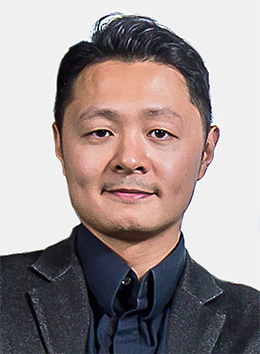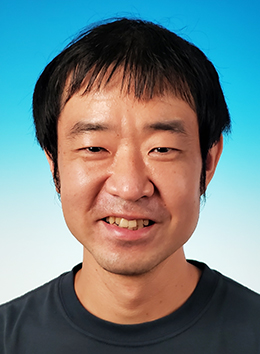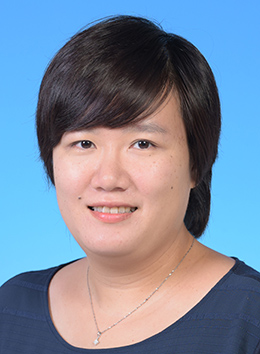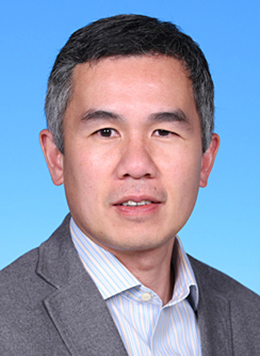
Led by Alex Wyatt
Internal Waves & Coral Reef Climate Refuges
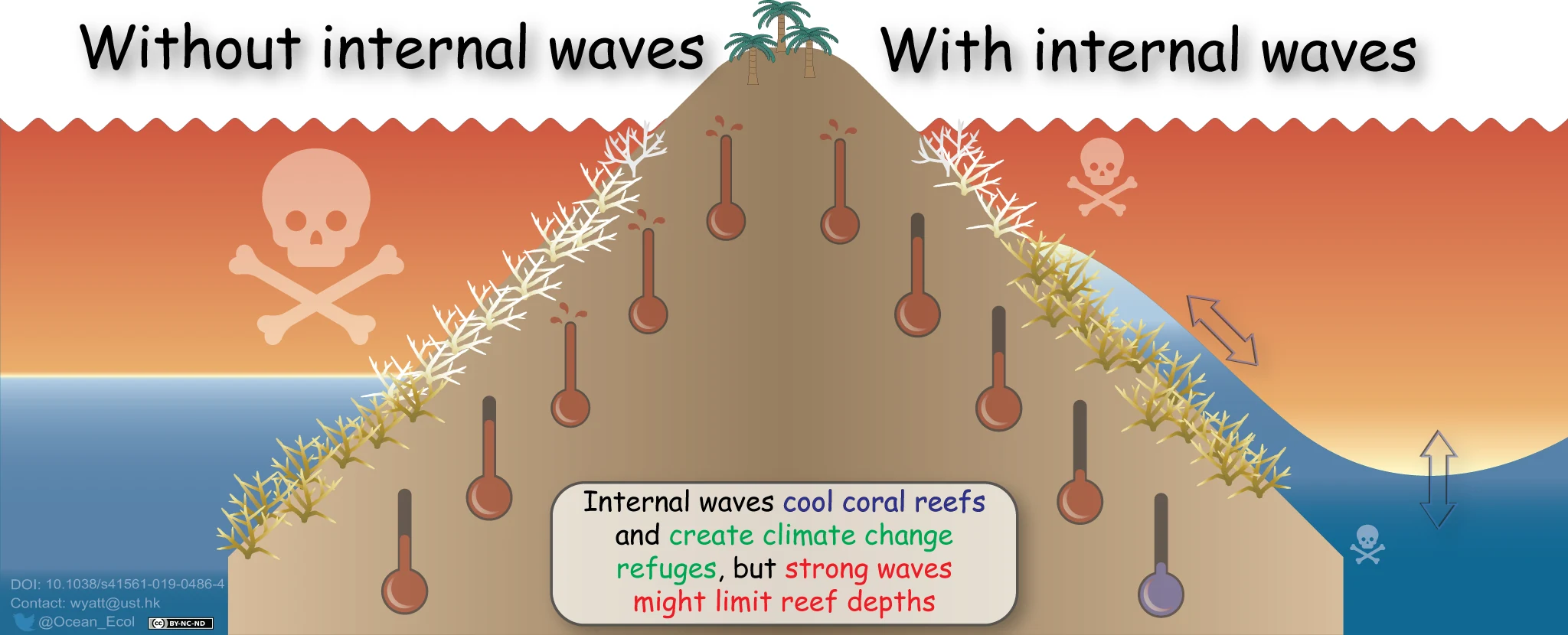
Whether reefs cooled by internal waves can act as refuges from ocean warming.
Faculty profile ↗RESEARCH PROGRAM 03
Study marine life, from coral reefs to microbes.
Our Ocean Science colleagues study coral reefs, marine biodiversity and microbial communities in Hong Kong and beyond. This program connects their research with marine AI and observation at CMI.
SUB-DIRECTION 01
How ocean physics and biogeochemistry shape coral reefs, and how AI can help monitor them.
Research focus
Cooler water that may buffer reefs from warming.
What marine species feed on and depend on.
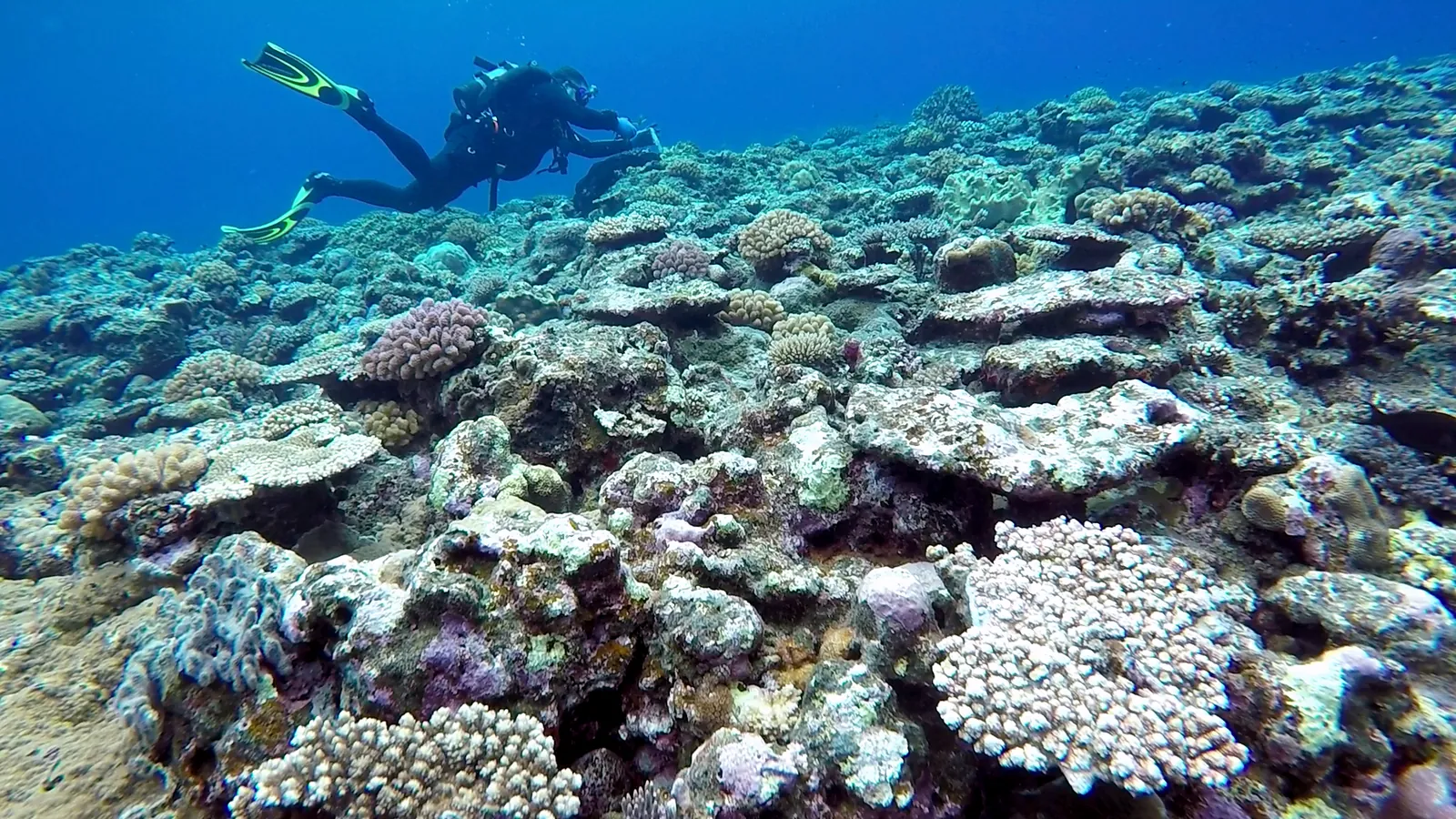
Analysing coral reef video with AI.
Led by Alex Wyatt
Whether reefs cooled by internal waves can act as refuges from ocean warming.
Faculty profile ↗Led by Alex Wyatt
How individuals and species differ in the food resources they depend on.
Faculty profile ↗Led by Sai-Kit Yeung, with Alex Wyatt Joint project
Marine AI and coral reef expertise combined to analyse reef video.
HKUST Research Portal ↗SUB-DIRECTION 02
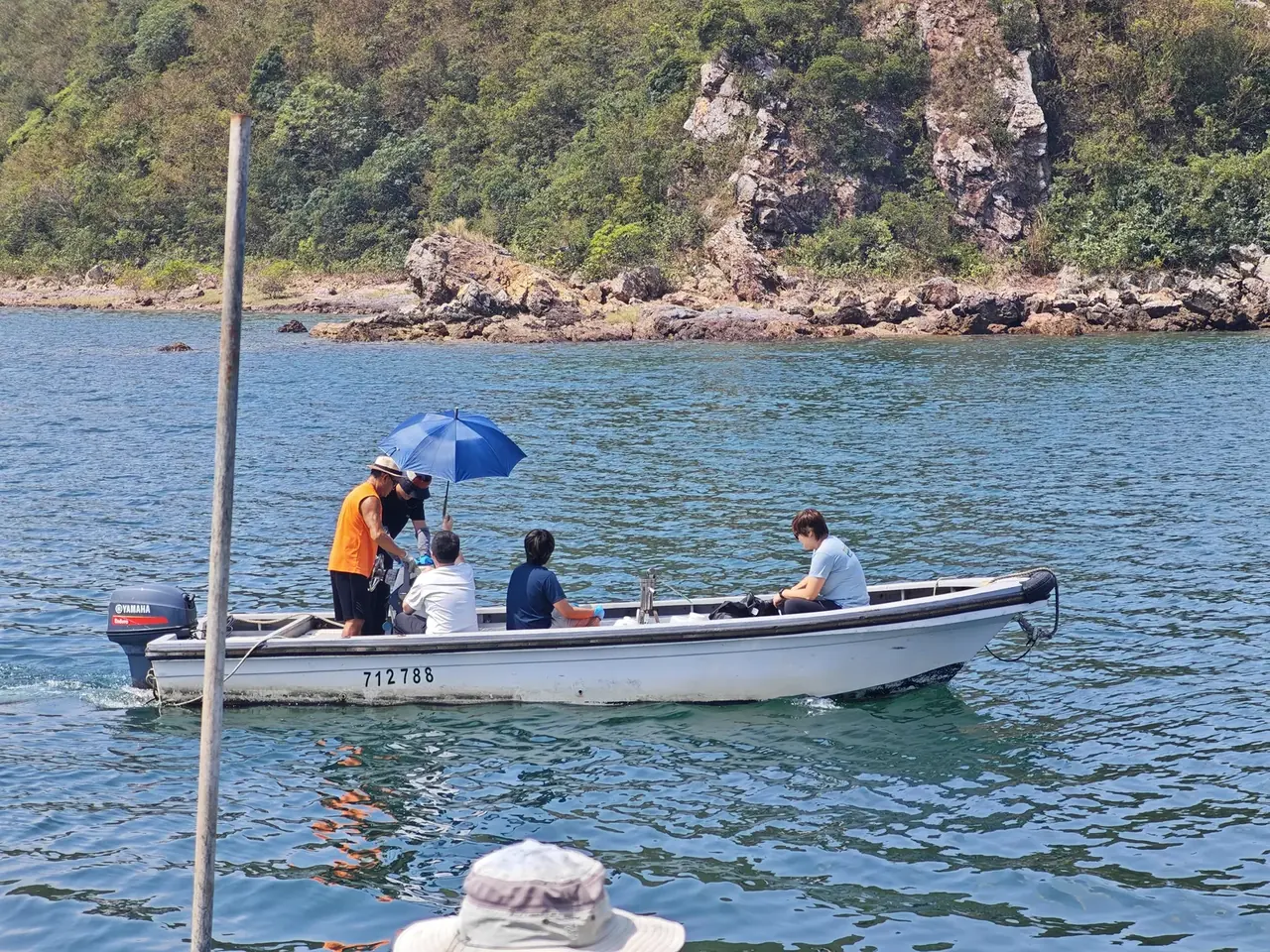
Using DNA traces in water and sediment to track marine life in Hong Kong, where turbid water limits what divers and cameras can see.
Research focus
Which organisms are present, from water samples.
Past communities from DNA in sediments.
Many species identified from one sample.
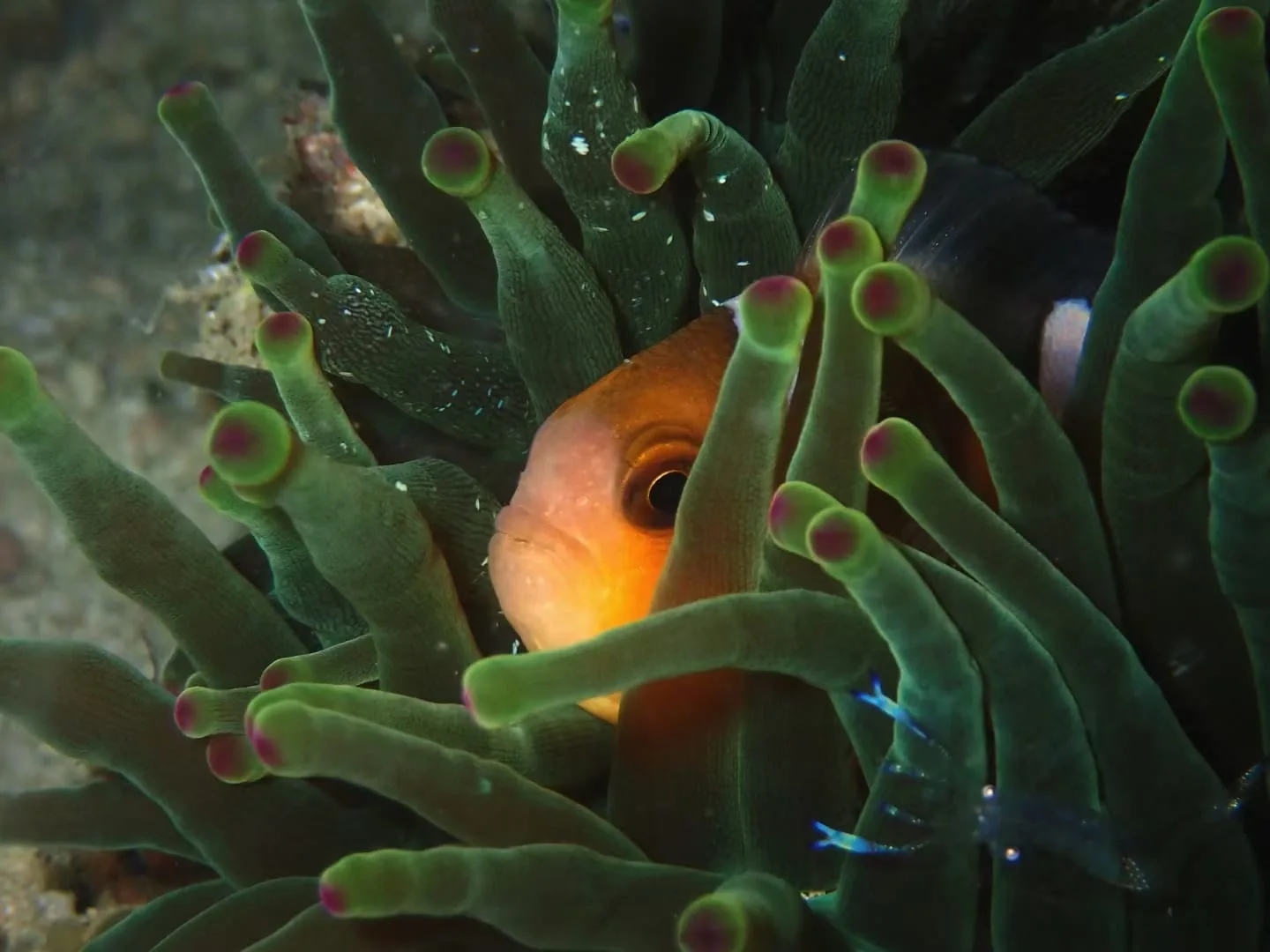
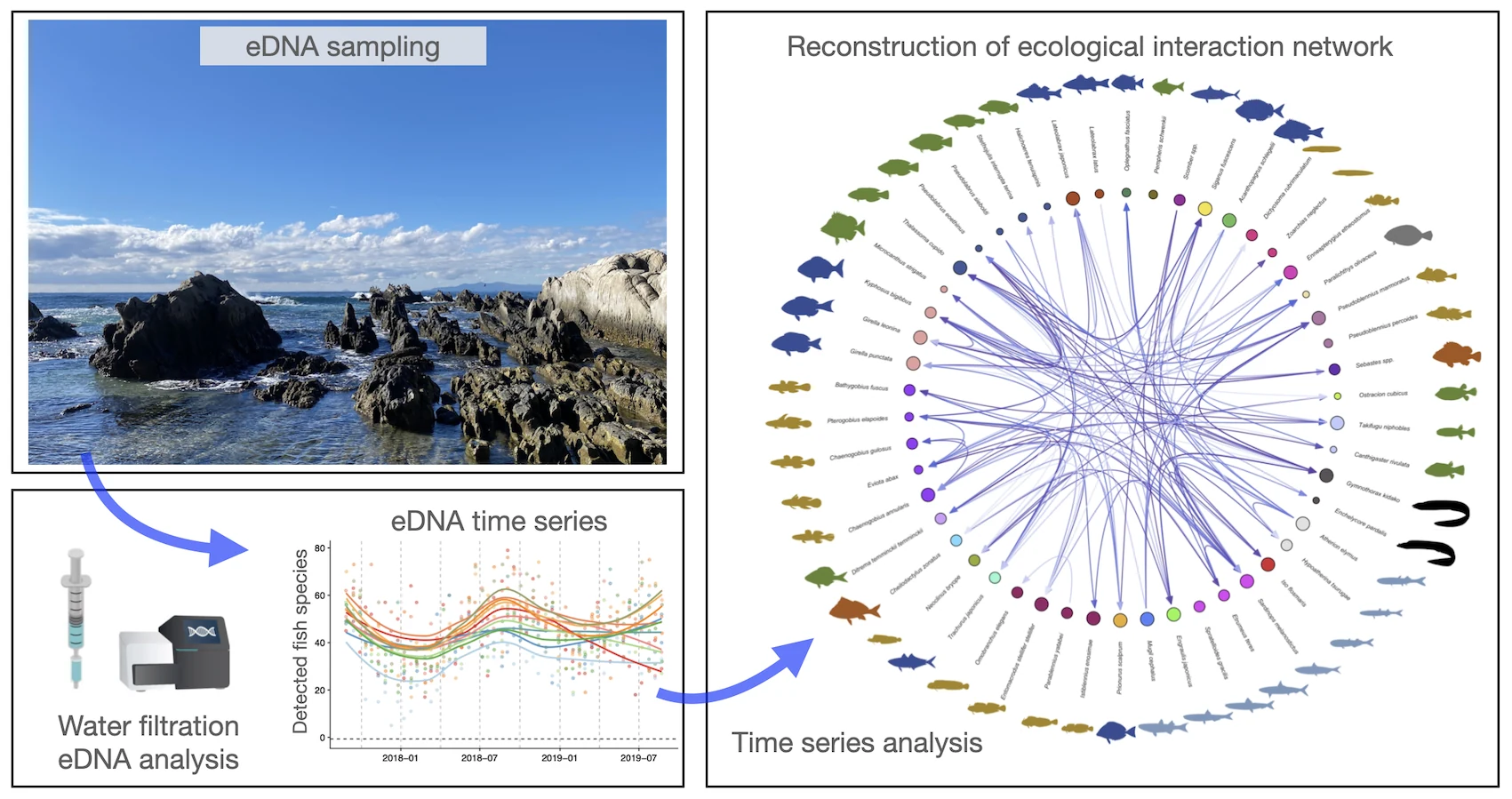
Led by Masayuki Ushio
An eDNA framework for monitoring dolphins and porpoises in Hong Kong.
Ushio Lab research ↗Led by Masayuki Ushio
How Hong Kong’s coastal communities have changed, read from seabed DNA.
Ushio Lab research ↗Led by Masayuki Ushio
Where and when harmful algal bloom species occur in Hong Kong waters.
Faculty profile ↗Led by Charmaine Yung, with Alex Wyatt
Linking coral and reef fish diversity in Hong Kong using eDNA.
Yung Lab research ↗Charmaine Yung’s lab
Following juvenile fish released at Yan Chau Tong Marine Park through water samples, for AFCD.
Read the lab news ↗SUB-DIRECTION 03
How microbes, viruses and plankton in coastal seas respond to environmental change and human activity.
Research focus
How viruses and grazers shape algal communities.
How microbes change over time and place.
Resistance genes in marine fish and their surroundings.
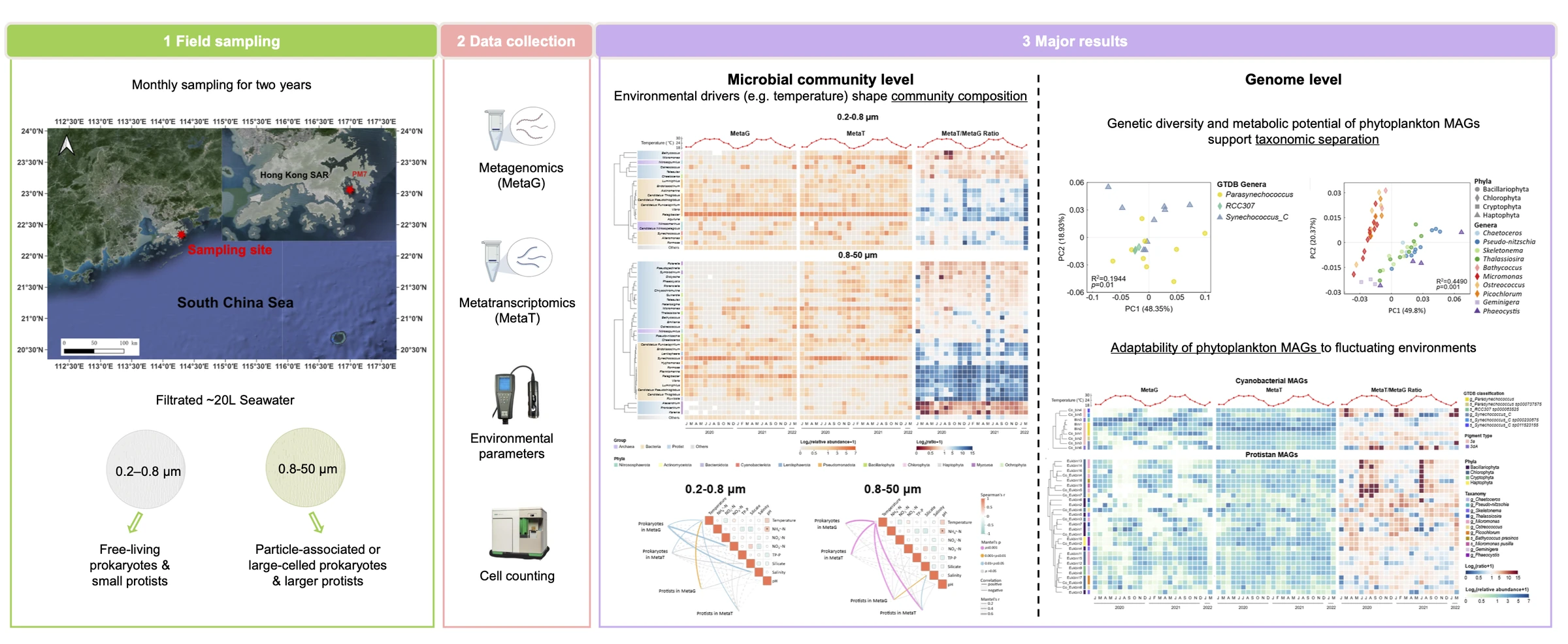
Led by Charmaine Yung
How viruses and grazers shape phytoplankton and microbial communities.
Yung Lab research ↗Led by Charmaine Yung
The diversity and temperature sensitivity of diatoms on seagrass.
Faculty profile ↗Led by Stanley Lau
Whether farmed and wild fish carry resistance genes into the food chain.
Faculty profile ↗Marine AI supports reef monitoring, such as the joint coral reef video project.
Robots and sensors collect underwater observations.
Biodiversity monitoring can help evaluate restoration.